
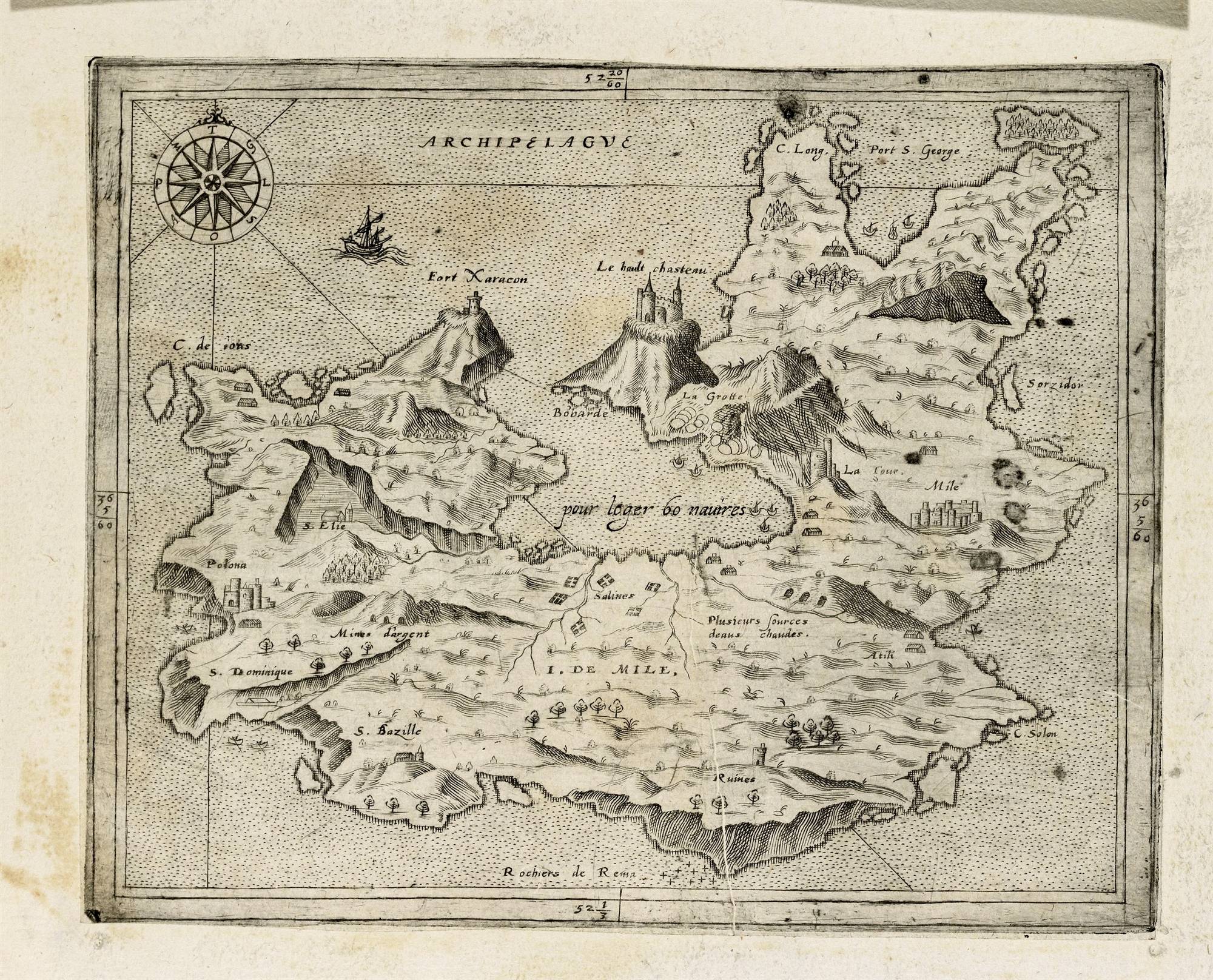
From the Aegean to New York: The Incredible Return of the Milos Manuscript.
The journey of a historic document often takes unexpected turns, but few are as remarkable as the story of the “Milos Manuscript.” After decades of gathering dust in a suburban attic in Long Island, New York, a rare 19th-century ledger detailing the history and maritime life of Milos has finally returned to Greek hands.
The Discovery
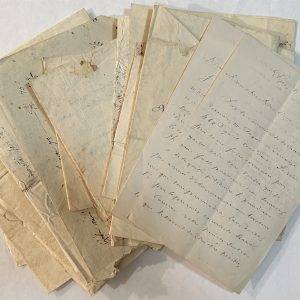
The story began when a Greek-American family, while clearing out the estate of a deceased relative, stumbled upon a leather-bound volume tucked away in a trunk. Recognizing its age and the Greek script, they reached out to historians and collectors to determine its significance.
The document turned out to be a “Katasticho”—a formal ledger or register—dating back to the early 1800s, just before the Greek War of Independence.
A Window into the Past
Experts describe the find as a “historical treasure.” The manuscript contains detailed records of:
-
Commercial Transactions: Insights into the thriving maritime trade of the Cyclades.
-
Naval History: Names of captains, crew members, and descriptions of vessels that patrolled the Aegean.
-
Local Governance: Administrative notes that shed light on how the community of Milos functioned under the final years of Ottoman rule.
What makes this discovery particularly poignant is its timing. Milos played a pivotal role in the Aegean during the 1821 Revolution, and documents from this specific era are exceptionally rare, as many were lost to time, war, or natural disasters.
The Long Journey Home
How did a 200-year-old ledger from a small Aegean island end up in a New York basement? While the exact path remains a mystery, researchers believe it was brought to the United States by a Greek immigrant in the early 20th century—a cherished heirloom kept as a link to their ancestral home.
Upon confirming the ledger’s authenticity, the family expressed a desire to ensure its preservation. Through the coordination of cultural foundations and the Greek consulate, the manuscript is being studied and digitized, ensuring that the secrets of Milos’s past are preserved for future generations.
Why It Matters
This discovery serves as a powerful reminder of the “hidden” Greek history scattered across the diaspora. For the people of Milos and historians of the Greek Revolution, this Long Island treasure provides missing pieces to the puzzle of the island’s socio-economic identity during one of the most critical periods in modern Greek history.


Comment (0)