
Anatomie du koutouki
Un siècle de crises et d’accords
Gastronomie par nécessité
THE GREEK KOUTOUKI
In the basements of Athens, far from the digital frenzy and the neon signs of the modern city, a century-old institution, the koutouki, endures.
The koutouki is a cramped, underground tavern that remains the city’s most tenacious cultural bastion. These “holes in the ground” are not mere restaurants; they are historical sanctuaries where the Greek working class, and later its intelligentsia, forged a unique identity amidst the scents of pine resin and fried salt cod.
Anatomy of the Koutouki
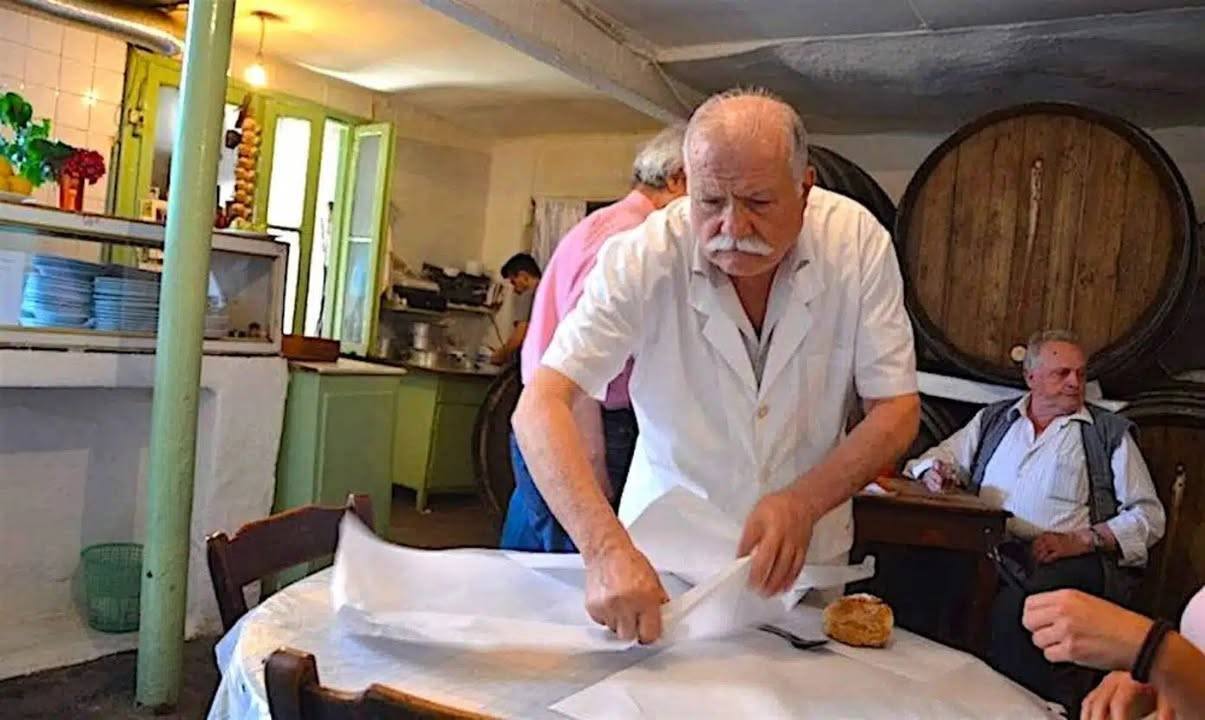
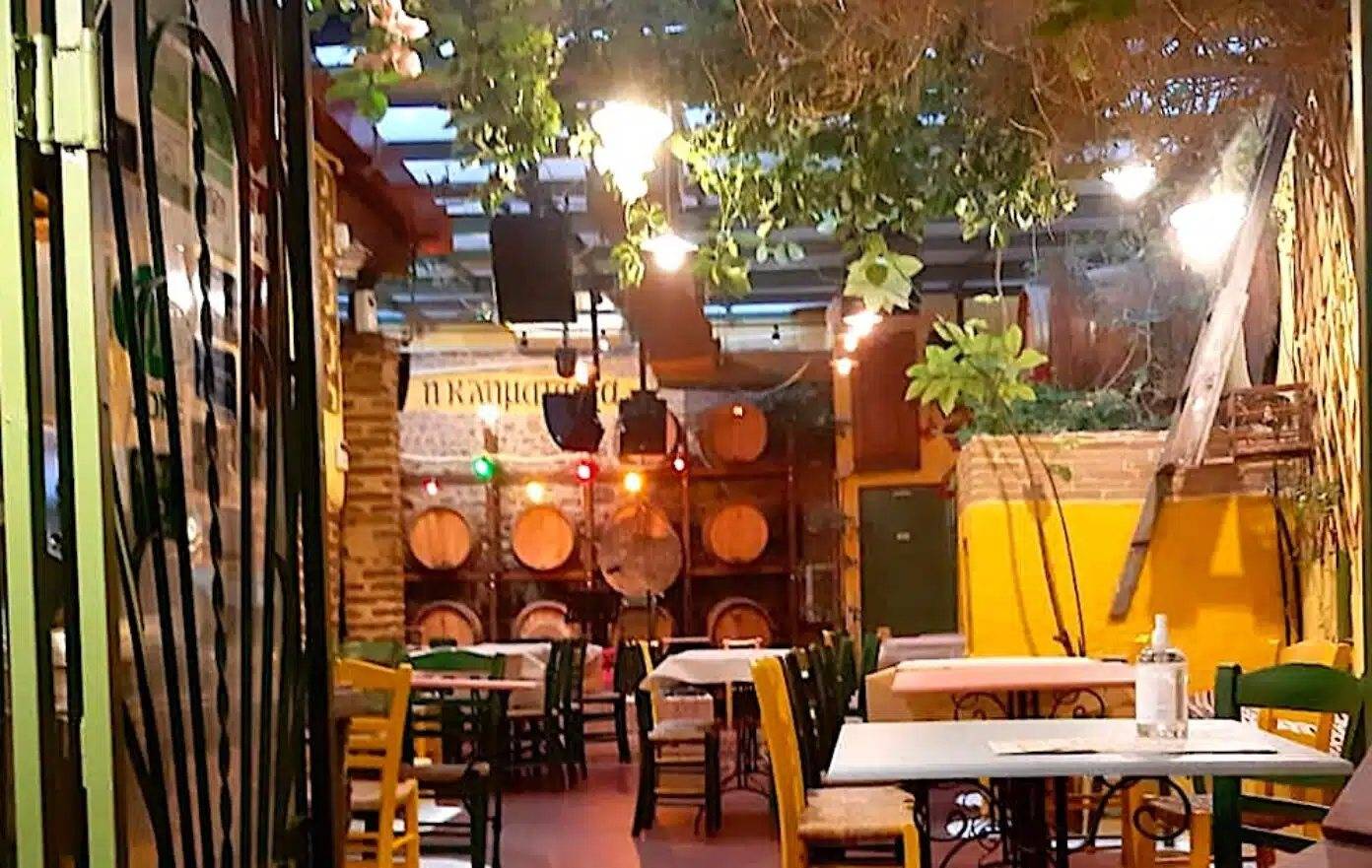
The term koutouki likely derives from the Turkish kütük, meaning “log” or “block of wood,” a reference to the heavy wooden barrels that characterize its interior. Architecturally, the koutouki exemplifies minimalism. These establishments are found almost exclusively in basements or semi-basements, with low ceilings and dim light filtering from bare bulbs. Rickety tables are jammed close together, creating an atmosphere of forced intimacy that feels almost conspiratorial.
Imposing wooden barrels line the walls, serving as both storage space and silent guardians. In these places, social hierarchies blur. Construction workers, students, and executives sit side-by-side on the same rush-seated chairs, glass in hand. In a koutouki, the focus is not on the food but on shared equality.
A Century of Crises and Chords
The history of the koutouki is a chronicle of modern Greece’s social upheavals. Two major events accelerated its evolution:
1. The Refugee Crisis of 1922. After the Asia Minor Catastrophe, refugees flooded into mainland Greece, bringing with them a culture of passion and music. In shantytowns such as Drapetsona and Kokkinia, cellars became the primary meeting places. Initially operating as tekedes (hashish dens), these establishments transformed into koutoukia (places dedicated to wine) when the Metaxas dictatorship cracked down on illicit substances in the 1930s. This era saw the birth of rebetiko, the “Greek blues.” Icons like Markos Vamvakaris sang of their sorrows there, the notes of their bouzouki resonating against the bare stone walls.
2. The Post-War “Bakalotaverna” After World War II, the koutouki experienced its golden age. During the poverty-stricken 1940s and 1950s, many grocers converted their storerooms into small taverns. By day, they sold pulses and oil; by night, they served wine and olives to their neighbors. This hybrid concept, known as the bakalotaverna (grocery-tavern), solidified the koutouki’s place as affordable entertainment for the populace.
Gastronomy by Necessity
The koutouki menu is rarely displayed for customers; instead, it relies on oral tradition and whatever produce is available that day. This cuisine is an art form centered on transforming simple ingredients into true masterpieces.
-
Retsina: Bulk wine drawn directly from the barrel. Known as “amber,” it has a pronounced pine-resin aroma that is the signature flavor of the Athenian underground.
-
Bakaliaros Skordalia: The “national dish” of the basement—crispy fried salt cod accompanied by a spicy garlic dip.
-
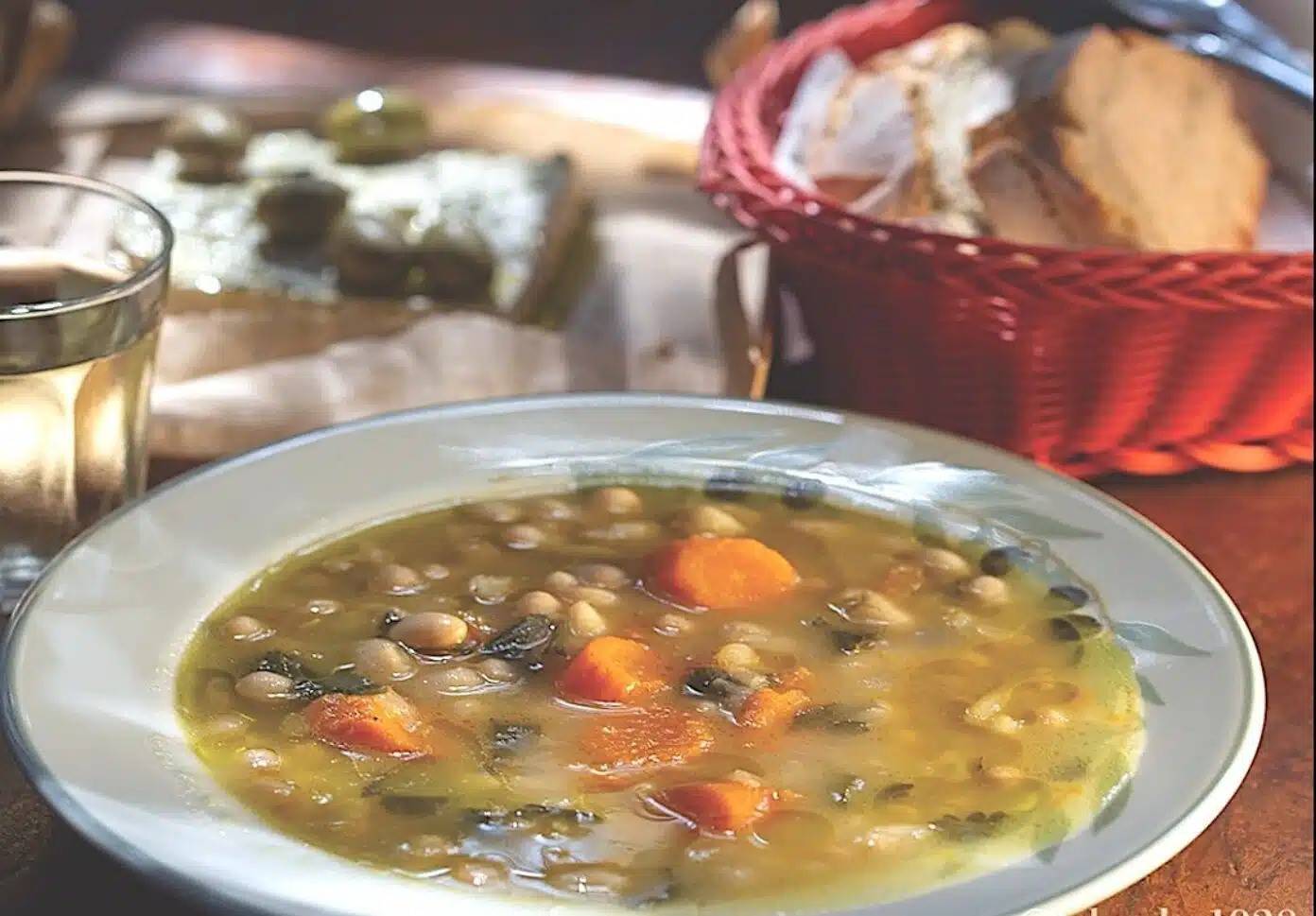
Legumes: Fava beans and giant beans (gigantes) are slow-cooked until they reach a creamy consistency.
As Athens modernizes at a frantic pace, the koutouki remains a living organism rather than a folklore museum. It represents a final act of resistance against the fast, impersonal nature of contemporary life.
These cellars prove that history is not found only in textbooks, but is written every evening in the circular wine stains left on a wooden table.


Comment (0)